


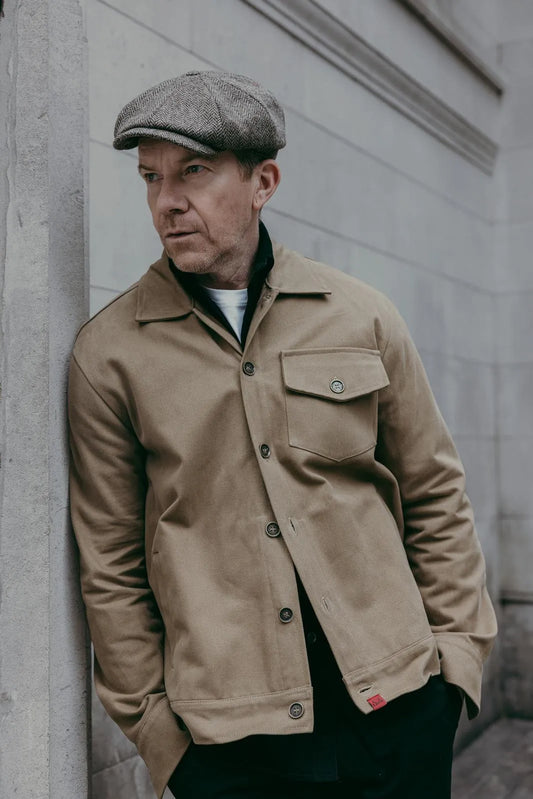

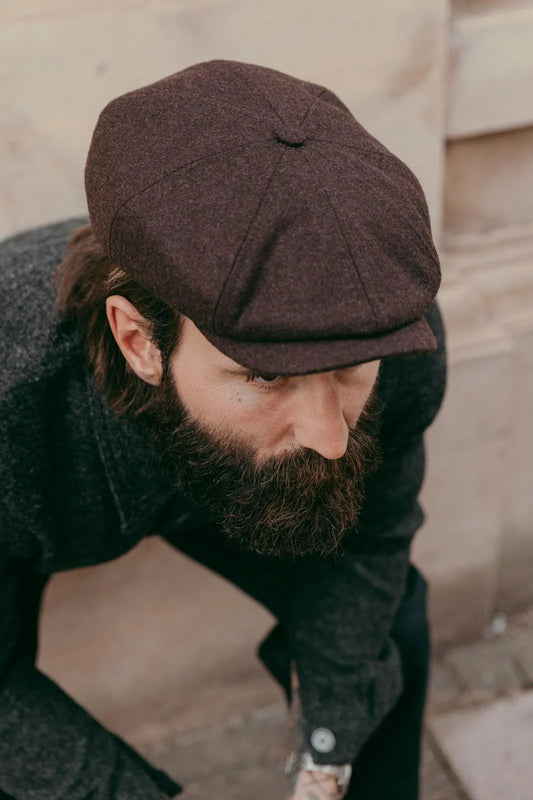

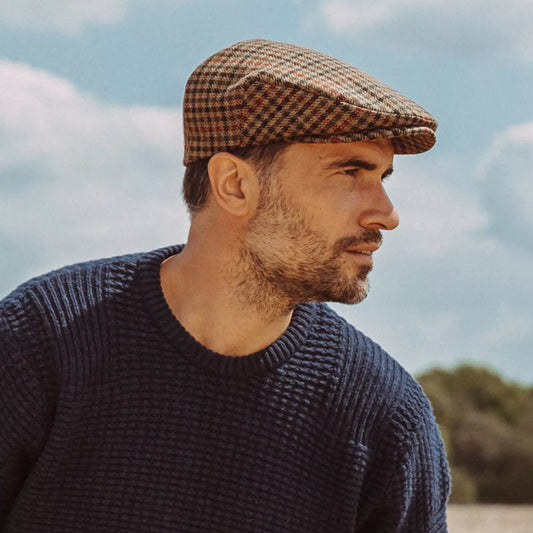





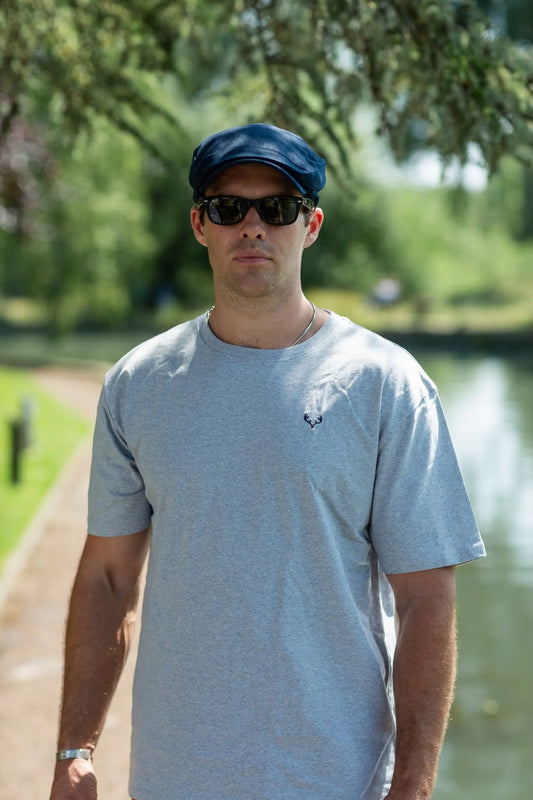





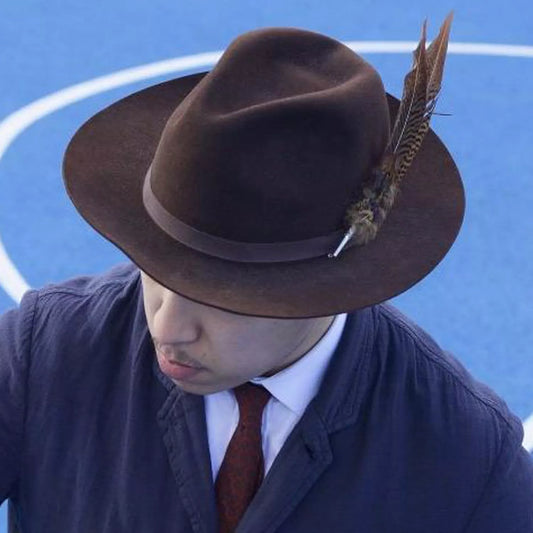






The shop assistant was very helpful and enthusiastic to find the correct hat, we tried 4 or 5 and finalised on the one in the picture which complimented the suit.


They’re best sellers for a reason: each hat in this collection has...

Rock Your Style with Laird Hatters' Bakerboy Caps Collection Meet the Bakerboy Cap,...

Look through our Spring/Summer Collection, comprising not only of beautiful Panamas but...

Panama Hats Panama Hats | Hand-Blocked Toquilla Straw | Laird London Fine...

—Luxury British Craftsmanship by Laird Hatters Step into timeless style and discover...

Embrace the Great Outdoors in Style Laird Hatters Country Collection is your...

Archive Sale – Up to 40% Off These pieces are part of...







Every piece leaves our Hertfordshire workshop shaped by hand, finished with care, and built from materials chosen to age well. We don't make hats for a season. We make them for decades.
Should yours ever need attention — a re-block, a new lining, a restored brim — our workshop is here. A Laird hat is not a purchase. It is the beginning of something you keep.
Looking for something unique? Our bespoke service creates a hat tailored exclusively to you.
Overall rating: 4.9 / 5 from 943 reviews.
The shop assistant was very helpful and enthusiastic to find the correct hat, we tried 4 or 5 and finalised on the one in the picture which complimented the suit.

It's a great Flat cap ! Well made, & well worth it's cost. I think, if ever I would try to inprove on it, I'd offer it with a "ear-flap" inside included model as well. Thanks again

Staff is amazing and quality is outstanding ! Brought a little piece of England back to the US with me ❤️

A great experience meeting buck at the Goodwood revival and great to purchase such a fine hat made in England. I very much look forward to my next purchase ! See you soon !

Very well helped by a very nice lady ! Searched for a nice hat at the goodwood revival and found one which was cool and value for money!

I’m absolutely thrilled with my purchase. This cap is quite simply a little work of art! A great day in Oxford for me!

Very comfortable from the start! Wore it out of the store. Knowledgeable salesman.

Was amazing. Went in and was shown all style of hats. Tried this on and loved it so much I bought 2 of them. Great quality and looks and feels good

An excellent hat ant a fair price and the staff were lovely.

Loved the hat, loved the shop, loved the experience trying on the hats. Great experience all round.

The hat feels and wears really nice

Amazing cap and amazing service

Bought the cap while touring Oxford! Fits great, packs wonderfully flat and will wear instead of a ball cap on golf course!

Needed a nice summer weight cap, Annabelle, who sold me the hat, was one if the best sales people I've ever met

Beautiful quality and stylish, love it😎

Another one of the great hats, hope I don't wear it out as I love wearing it.

Great experience, Ben was attentive and was honest in what looked good on me, this is now a treasured possession

Went to the store in Jermyn St. and received such friendly and competent service from Sadie. She helped me with fit, style and colour and I couldn't be more satisfied with my hat. Putting it on every morning makes my day.

Really lovely experience in shop, you were super helpful and having come in knowing I wanted a hat roughly in a fedora, cowboy or trilby style I left with something which I felt was perfect :)

Great quality, and a welcome accessory for the upcoming wintet

Fit and quality is great

The greatest shop in London 😍

Very well made and fits well, might even buy the rust one as well…

Love this cap, I bought a light blue one a couple of years back and have worn it loads, still in good shape so thought I would treat myself to another one in a different colour.

These are my previous ones. All is good, I like them.

Perfect fit, feeling.

Great! Very pleased.

Salmon fishing on the river Deveron

You keep a cool head, even on warm days!

You can still feel the summer in September, too!

Loves it!

Love it! Perfect 60th Birthday gift.

I received many compliments on my new hat. Even when I was wearing it through security at the airport and was not dressed up, the security lady said “nice hat”.

Visiting this wonderful hat shop was one of the highlights of my time in London. The salesperson provided excellent, attentive service and helped me find a beautifully crafted, British-made hat that suited my personal style perfectly. Trying it on in the store made the experience even more memorable, and I captured that special moment in the attached video. You can also see my complete video https://www.instagram.com/reel/DcjJo46gv_M/?igsi=MXFsdjJoaDZ1MnUzZg== —Keith Moody | Let’s Go Moody—Let’s Go

Great fit! Quality materials! Love it!

...

I purchased this hat in the New Row store. I wasn’t planning to buy it, but the store employee (I’m sorry I can’t remember his name) was really good, and when I tried it on, I fell in love with it straight away. It’s a great hat, it feels soft and comfortable. It has quickly become my favourite hat. The employee wa great and very helpful, helping my find the right size. In fact if it wasn’t for him, I probably wouldn’t have bought anything.

I believe her name Annabelle, please correct if I’m wrong! She was great! I knew I wanted a baker’s hat, and maybe a Fedora. And I loved both! She was very sincere and helpful! Love the quality of both hats! I live in the US and one of my clients referred me and I referred one of my clients to go to the store! Great experience!

I loved this hat but unfortunately I had to return it. The reason I'm writing a review is because of the first class customer service I received in this process. Some of the stitching needed attention and I was returning it for a refund/exchange. The box went missing on the return and lairds still honoured the return which I'm delighted about. I still want to purchase another for next summer.I wouldn't doubt lairds as they were so helpful and eased my stress with it being lost on route. The hat was so comfortable and light.It smelt amazing.

Looking for a hat for all seasons and delighted with this one.